EntranceProfile
A LiDAR researcher who also builds the software around the research
I study patient monitoring with LiDAR and AI, and I develop two health platforms.
- Date of birth
- 2 July 2001
- per frame on a Raspberry Pi 5
- 15.6 ms
- health platforms I developed
- 2
- invention and innovation awards
- 5
- Claude Code sessions since May 2026
- About 1,000
The research
Two master's theses are under way. At KMUTT I read a patient's posture from LiDAR points on a Raspberry Pi 5. At Kanazawa University I estimate skin properties with an air jet and LiDAR. The posture work is published at BMEiCON 2026.
The software
CLICS scores physicians' clinical reasoning for a licensing body's CME pilot. Active Ageing Index is a national elderly-screening platform that field staff use. I developed both, along with an open-source macOS app and two web apps you can open from this page.
How I work
I design agent workflows and context in Claude Code. My own plugin, jjstack, plans the work, gives each ticket its own session and checks every pull request before it merges.
ResearchMaster's thesis, KMUTT (ongoing)
Reading a patient's posture from LiDAR points, with no camera
Real-time point cloud analysis and deep learning assess posture non-invasively and alert caregivers.
- per frame
- 15.6 ms
- the edge device it runs on
- Raspberry Pi 5
- iENA 2025, Nuremberg
- Silver Medal
The problem
Preventing pressure ulcers in bedridden patients starts with knowing how the patient is lying. This work reads that posture without a camera in the room.
What I built
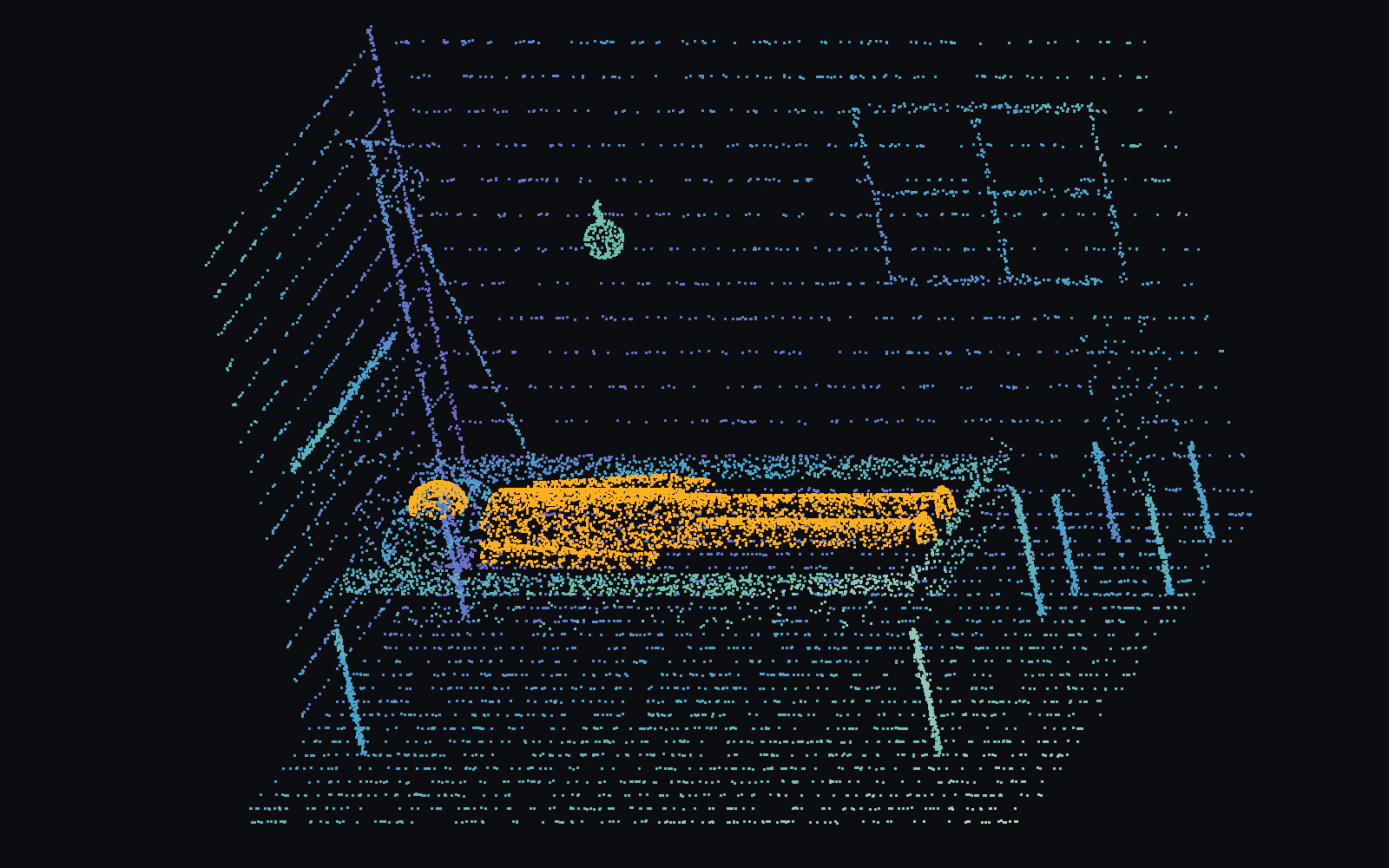
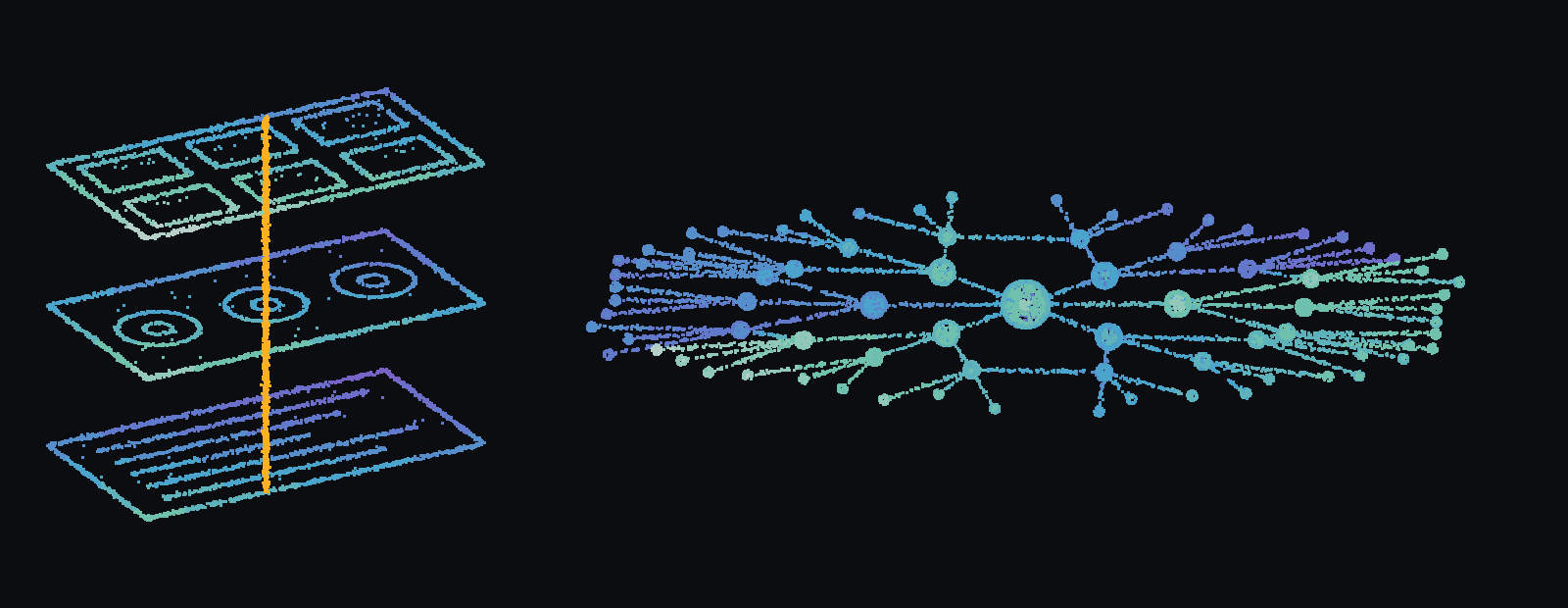
A system that takes the point cloud from a LiDAR over the bed, classifies the posture with deep learning, and alerts caregivers. What the LiDAR returns is points in space, not a photograph of the person.
How it runs
The analysis runs in real time on a Raspberry Pi 5, at 15.6 ms per frame.
Where it stands
The thesis is ongoing. The edge version is published at BMEiCON 2026 and won a Silver Medal at iENA 2025. The room on this page is simulated.
ResearchPublication
Posture classification on an edge device, toward pressure ulcer prevention
A conference paper on classifying the posture of bedridden patients from LiDAR point clouds, on the device itself.
- Fukuoka, Japan
- BMEiCON 2026
- published
- pp. 1–5
- per frame on a Raspberry Pi 5
- 15.6 ms
The question
Can a small edge computer classify a patient's posture from a LiDAR point cloud in real time?
The method
The paper classifies posture from the point cloud with a PointNet model, and runs it on an edge computer.
The device
A Raspberry Pi 5 under its Active Cooler, joined by a USB 3 cable to a LiDAR L515 camera on a stand over the bed. It processes one frame in 15.6 ms.
Authors and venue
N. Naowarangsee, S. Boonprong and A. Khantachawana. BMEiCON 2026, Fukuoka, Japan, pp. 1–5.
ResearchMaster's thesis, Kanazawa University (ongoing)
Estimating skin properties with an air jet and LiDAR
A non-invasive method that reads how the skin deforms, measured optically, for medical diagnostics.
- Young's modulus error
- < 10%
- started at Kanazawa University
- Oct 2024
The problem
Medical diagnostics can use the mechanical properties of skin. This work estimates them non-invasively.
The method
An air jet and a LiDAR work together. The analysis reads how the skin deforms, measured optically, and estimates its properties from that.
The result so far
Young's modulus is estimated with an error under 10%.
Where it stands
The thesis is ongoing, in the Human-Machine Symbiotic Systems Program at Kanazawa University. The surface on this page is simulated.
ResearchBachelor's project, KMUTT
A mock circulation device for testing stent retrievers
A bench loop that pumps a blood substitute through a model of the brain's arteries, so a prototype stent retriever can be tested before animal trials.
- one pulse every 0.75 s
- 80 bpm
- pressure measured in the loop
- 50.45–121.36 mmHg
- average flow rate measured
- 329.82 ml/min
- awards in 2023
- 3
The problem
In an ischemic stroke a clot blocks an artery of the brain, and a stent retriever is a device that pulls the clot out. A prototype needs its retrieving efficiency tested on a bench before animal testing and before use in people.
What we built
A team of three built the loop. A heated chamber sets the temperature of the fluid, a pump drives it, a solenoid valve opens in pulses like a heartbeat, and a second valve sets the flow. The fluid passes through a model of the cerebral arteries and returns. An Arduino board reads the flow and pressure sensors and shows the values on an LCD. The fluid is water, xylitol and urea, mixed to match the viscosity of blood.
Measured against the M1 artery
The target was the M1 segment of the cerebral arteries: 80 to 120 mmHg, 37 °C, 60 to 100 bpm and 275.4 ml/min on average. The second prototype pulsed at 80 bpm, measured 50.45 to 121.36 mmHg, and averaged 329.82 ml/min. It can pulse from 60 to 180 bpm and warm the fluid up to 50 °C.
The stent and the test plan
The stent retriever is braided from 12 nickel-titanium wires, 4 mm wide and 40 mm long. The test places it at the middle of a clot and behind it, allows no more than 4 passes, and works out the percentage of recanalization from the weight of clot retrieved against the weight put in.
ResearchEducation
Mechanical engineering first, then two master's degrees side by side
A bachelor's degree at KMUTT, then master's study in biomedical engineering at KMUTT and in frontier engineering at Kanazawa University.
- degrees, two of them ongoing
- 3
- universities, in Thailand and Japan
- 2
- the year I started at KMUTT
- 2019
Mechanical engineering, 2019 to 2023
Bachelor's degree at King Mongkut's University of Technology Thonburi. The final project was a mock circulation device for testing stent retrievers, which won three awards in 2023.
Biomedical engineering, 2023 to now
Master's degree at KMUTT. The thesis reads a patient's posture from LiDAR points with AI, on a Raspberry Pi 5.
Frontier engineering, 2024 to now
Master's degree in the Human-Machine Symbiotic Systems Program at Kanazawa University. The thesis estimates skin properties with an air jet and LiDAR.
Tools I use
Python and C++, PyTorch, TensorFlow, OpenCV, Open3D and Scikit-learn, with Raspberry Pi and the Intel RealSense SDK.
 Kanazawa University
 King Mongkut's University of Technology Thonburi (KMUTT)
Systems in useAI clinical reasoning platform
CLICS scores how a physician reasons, from their conversation with AI
Built for a licensing body's CME pilot.
- concurrent users in load tests
- 100
- errors in those tests
- 0
- started
- Jun 2026
The problem
A licensing body's CME pilot needed a way to score physicians' clinical reasoning.
What I built
A platform where a physician works through a case in conversation with AI, and the conversation is scored. It runs on Next.js, Supabase and the Claude API.
How it protects people
Personal data is removed before every call to Claude.
The result
In load tests it handled 100 concurrent users with 0 errors. The station at this stop replays fictional cases from the CLICS booth.
Systems in useNational elderly-screening platform
One ageing index from 24 clinical scoring tools
A national elderly-screening platform, in production. Field staff use it through LINE.
- clinical scoring tools combined
- 24
- ageing index
- 1
- started
- Jun 2026
The problem
Screening older people uses many clinical scoring tools, and each gives its own score. The platform combines 24 of them into one index.
What I built
Built with Next.js, Supabase, FastAPI and the LINE API. Field staff open it from a menu in a LINE Official Account, see their projects, and enter each month's data one area at a time, as a grid, or from an Excel file.
What an admin sees
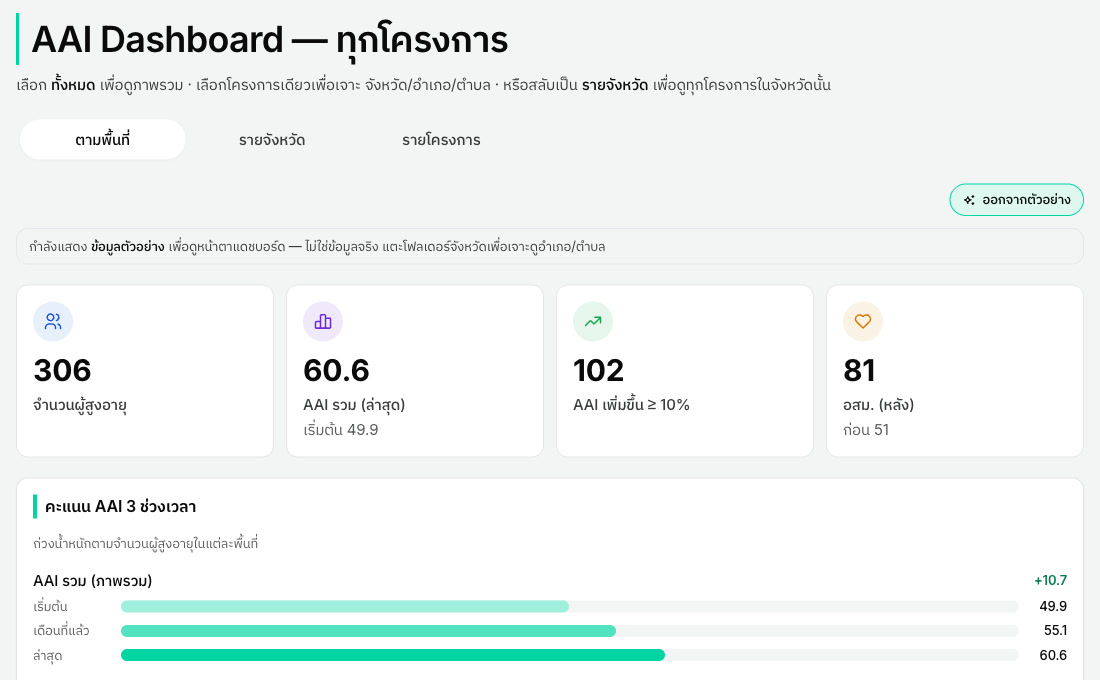
A dashboard with the AAI score of every project, at three points in time.
How it protects people
Dashboards hide small groups (k-anonymity), so a number cannot point to a few people.
Systems in useOpen-source macOS app
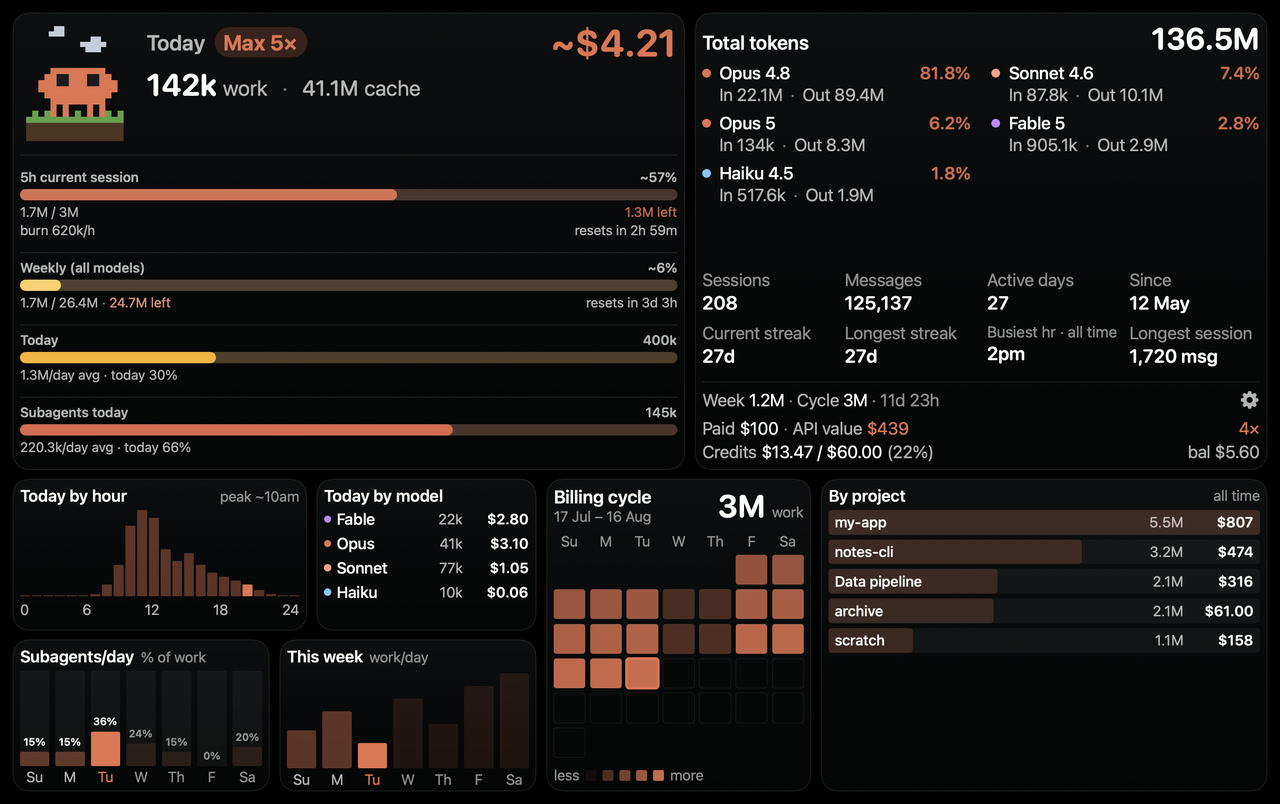
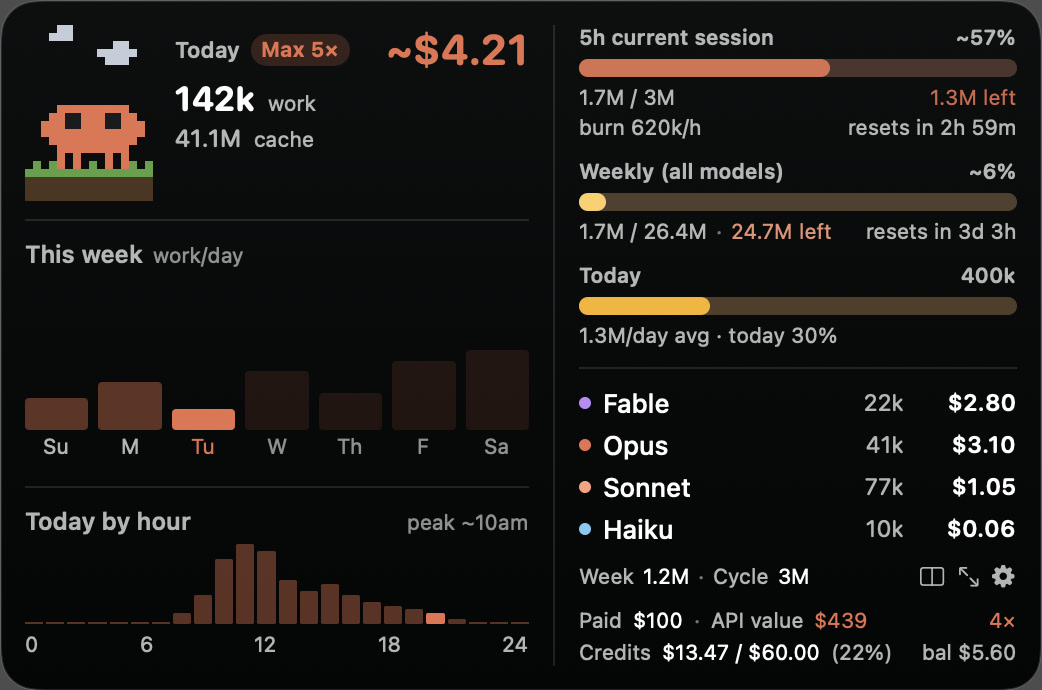
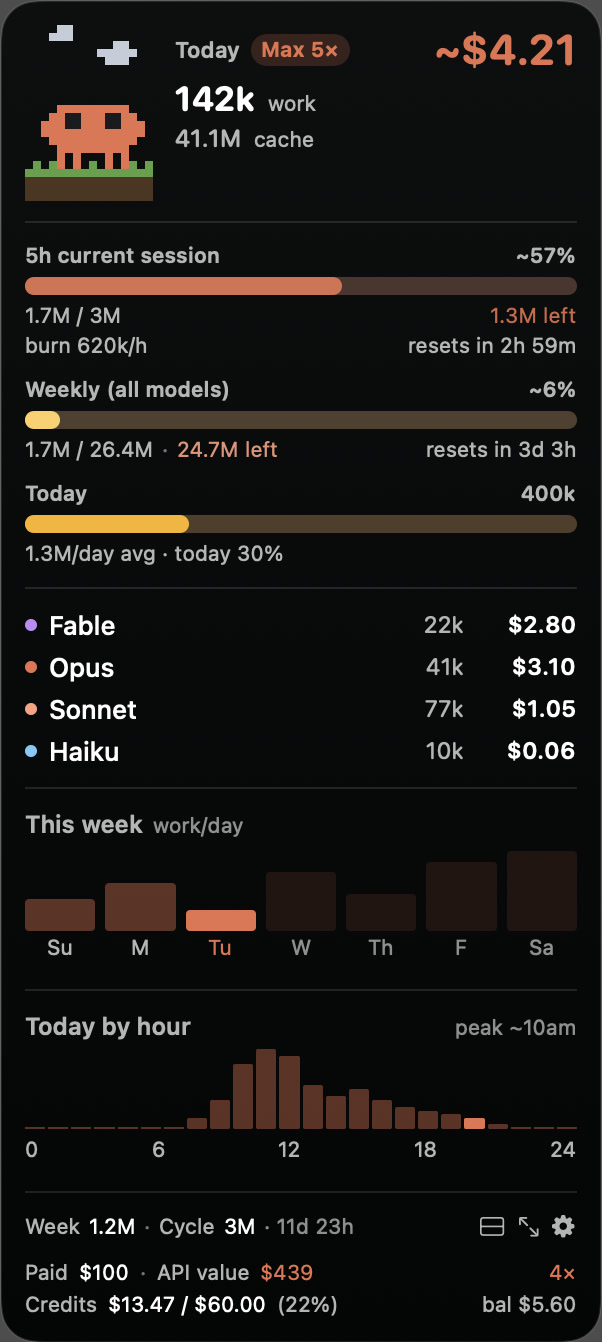
ClaudePet shows Claude Code usage on the desktop, from local logs
A macOS app that reads Claude Code usage and rate limits from local logs.
- latest release
- v0.14.0
- limits shown: 5-hour and weekly
- 2
- network access
- None
The problem
Claude Code has a 5-hour limit and a weekly limit, so it helps to see how much is used while working.
What I built
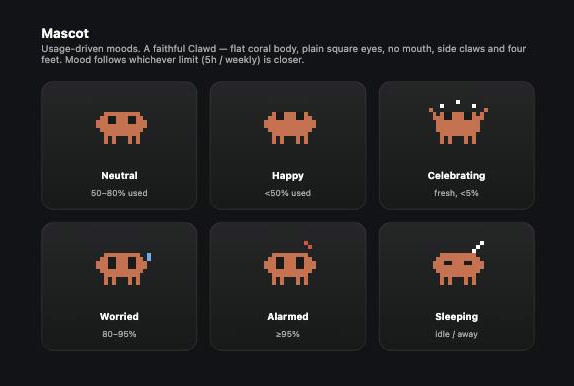
A dashboard of both limits and of tokens by model, a desktop widget in a wide and a tall layout, and a mascot whose mood follows how much of the limit is used. It is written in Swift and SwiftUI.
How it works
Everything comes from the logs already on the Mac. The app has no network access.
Where it stands
Public on GitHub, with CI tests and releases up to v0.14.0.
Systems in useWeb applications
Two apps that install from the browser: a workout tracker and a nutrition planner
Both are PWAs, built between May and September 2026.
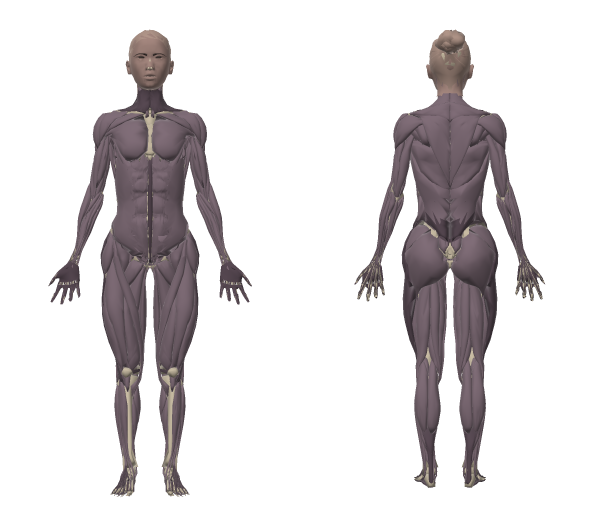
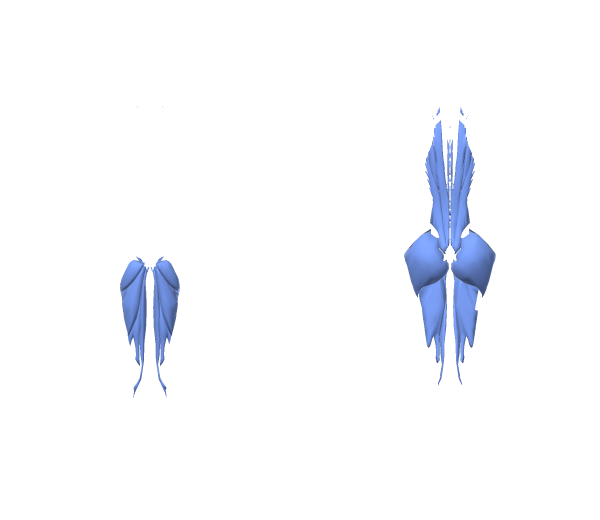
- muscles in the 3D atlas
- 64
- PWAs with a live demo
- 2
- daily targets in the planner
- 5
The workout tracker
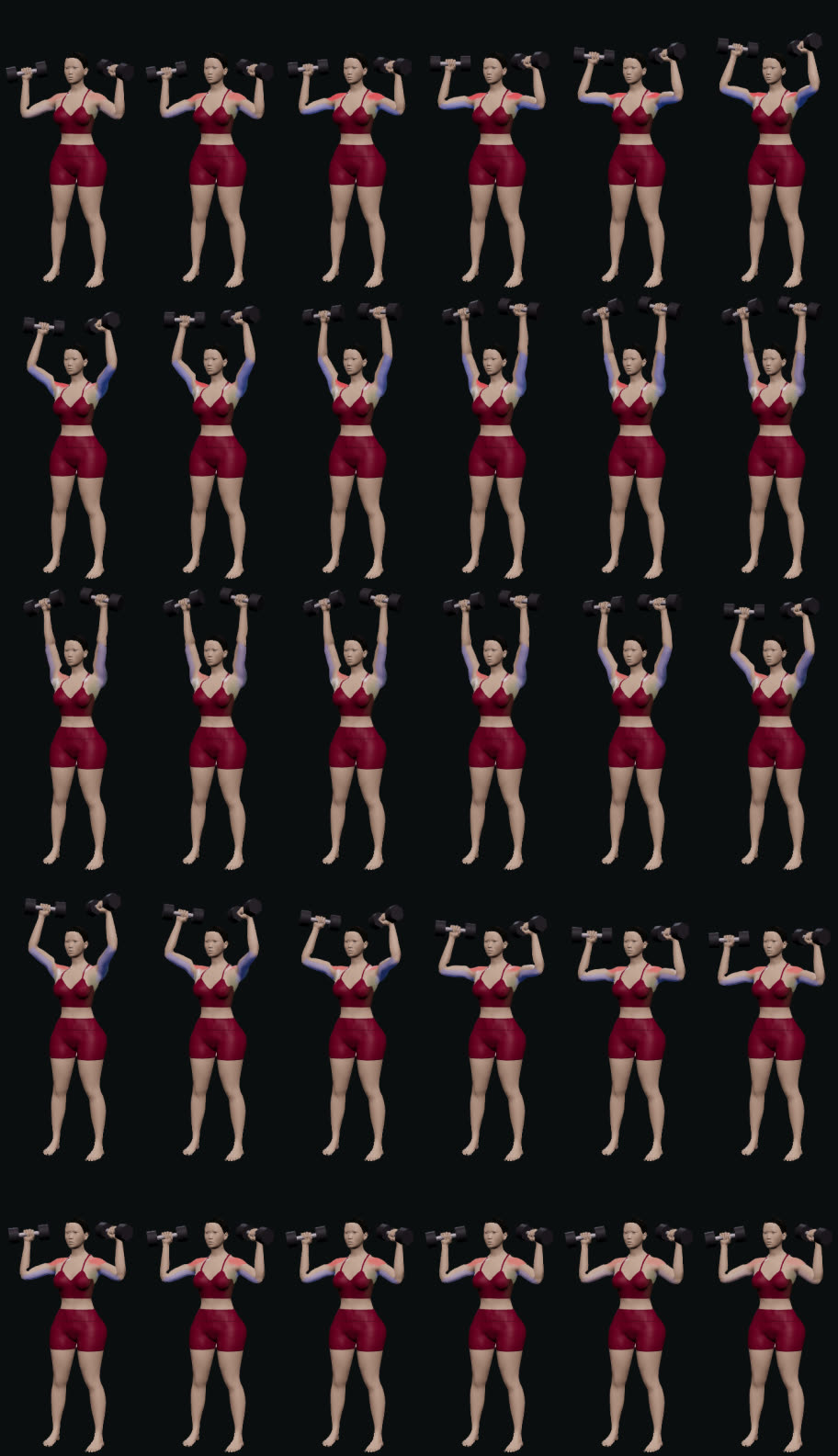
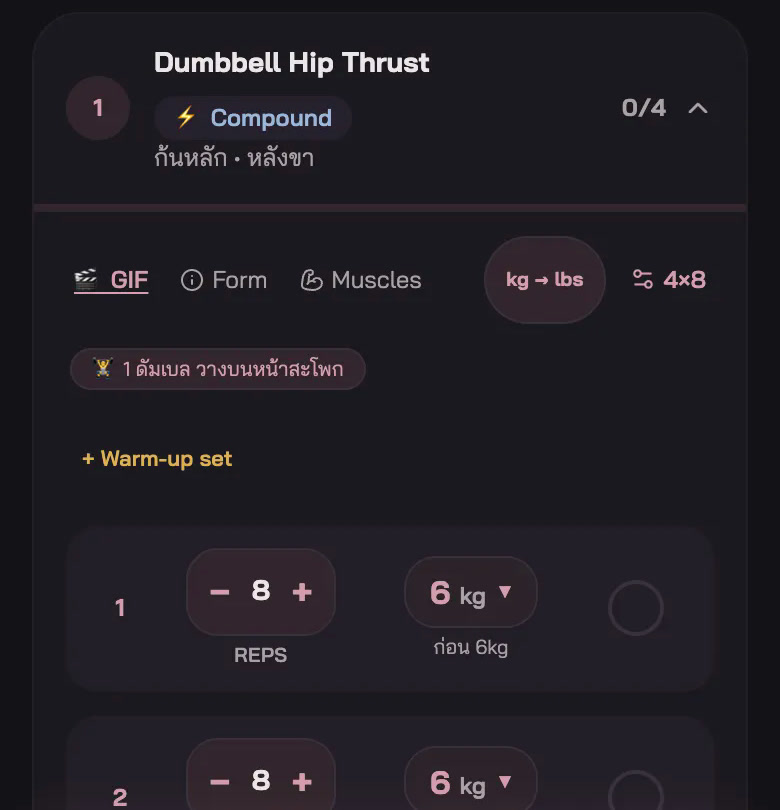
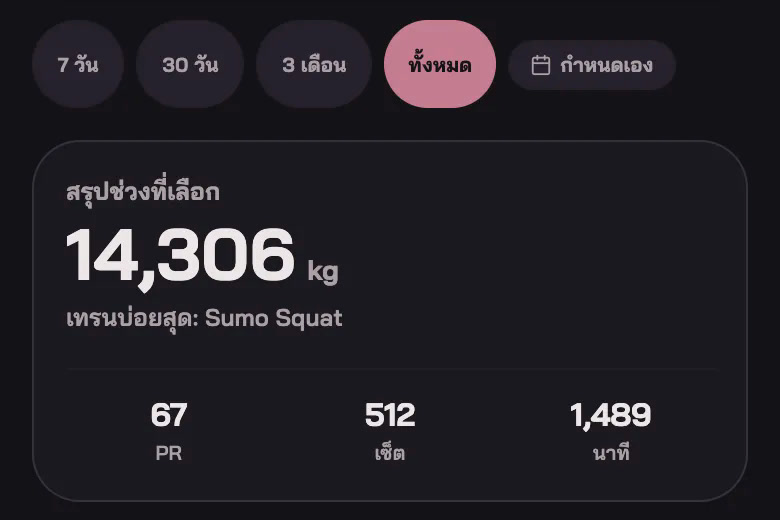
Every set is logged by reps and weight, and the history adds up the total volume lifted. A 3D atlas of 64 muscles is linked to the exercise library, so an exercise shows the muscles it trains.
The nutrition planner
Daily targets for energy, protein, carbs, fat and water. Its data stays on the device.
How they are built
React, TypeScript and Vite, deployed on Vercel.
In the same months
An association website with inline CMS editing, and a lab PC booking system whose approval rules are enforced in Postgres.
Working with AI agentsClaude Code plugin
jjstack: one plan, a session for each ticket, a gate on every pull request
My own Claude Code plugin: skills with Python checkers, tested hooks and rules.
- skills
- 14
- hooks
- 6
- gate agents
- 3
- lessons kept
- 37
Plan
/jjstack:jjflow asks until the task is clear, then writes a spec and its tickets. Each ticket names the model and effort its session should use.
Build
Each ticket gets its own session in its own worktree, and ends at a pull request.
Gate
/jjstack:doublej reviews and verifies every pull request, and fixes one that fails. Pull requests that pass merge as the spec says.
Learn
The lesson of each fix goes back into the skills for the next run. Hooks check a command before it runs, and I test in a sandbox before deploy.
Working with AI agentsDaily practice
About 1,000 Claude Code sessions since May 2026
What one session goes through, from the request to the pull request.
- sessions
- About 1,000
- started
- May 2026
- tools: Claude Code, Codex CLI, MCP
- 3
Before any code
The plan is approved first. Sub-agents then read the code in parallel.
While building
Each task gets its own branch and folder. Tests run before the pull request.
Before the pull request
A headless browser checks the page and the proof is saved. A second model reads the diff.
The harness
Skills, subagents, hooks and context engineering, with CI running the tests and the releases.
AwardsInvention awards
Two awards at iENA 2025 for one invention
The edge LiDAR system for pressure ulcer prevention won a Silver Medal and a special award in Nuremberg.
- awards for the same invention
- 2
- iENA, Nuremberg, Germany
- Nov 2025
- per frame on a Raspberry Pi 5
- 15.6 ms
The invention
A LiDAR over the bed and a Raspberry Pi 5 read a patient's posture from points, with no camera, and alert caregivers.
The awards
A Silver Medal from iENA 2025, and the Prominent Invention Special Award from the Taiwan Prominent Inventor League at the same event.
The research behind it
It is the work of my master's thesis at KMUTT, and the edge version is published at BMEiCON 2026.
The certificates

Silver Medal, iENA 2025, Nuremberg, Germany
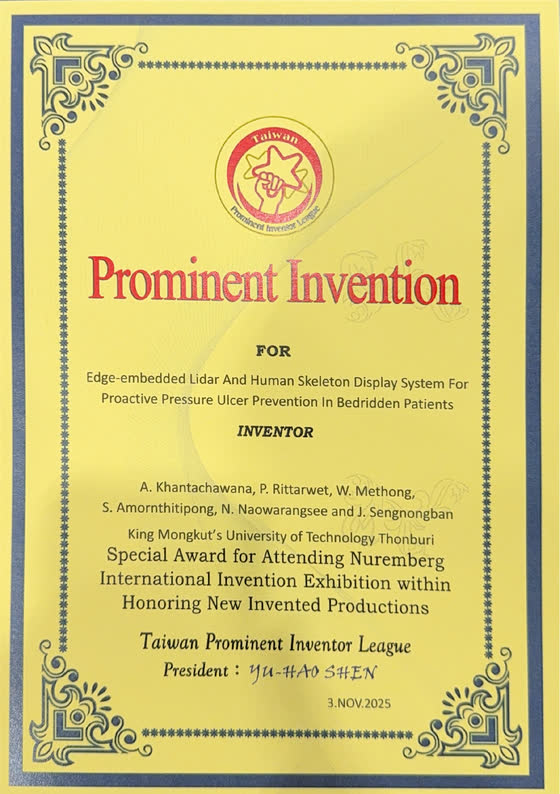
Prominent Invention Special Award, Taiwan Prominent Inventor League, at iENA 2025
AwardsInvention awards
Three awards in 2023 for a stent retriever test rig
The mock circulation device from my bachelor's project won in Thailand and in Taipei.
- awards
- 3
- NRCT Higher Education Innovation Contest 2023
- Gold Medal
- August and October
- 2023
The device
A bench loop that pumps a blood substitute through a model of the cerebral arteries at a set pulse, pressure and temperature, so a prototype stent retriever can be tested before animal trials.
In Thailand, August 2023
A Gold Medal at the NRCT Higher Education Innovation Contest, and an Outstanding Award at the NRCT Innovation Project Proposal.
In Taipei, October 2023
A Bronze Medal at Taiwan Innotech Expo 2023.
The certificates

Gold Medal, NRCT Higher Education Innovation Contest 2023, Thailand
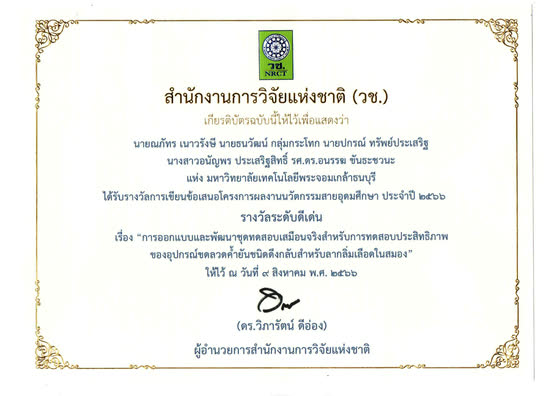
Outstanding Award, NRCT Innovation Project Proposal 2023

Bronze Medal, Taiwan Innotech Expo 2023, Taipei